A Community Led Intervention Towards the Restoration of Manwa Local Forest Reserve
Manwa Forest Reserve (LFR) is one of the key ecosystems in the region although the reserve’s ecological integrity is steadily deteriorating, with boundary encroachment, cultivation, invasive species such as Lantana camara, grazing, brick laying, and unlimited illegal logging and charcoal burning all are faintly depleting her Lifespan.
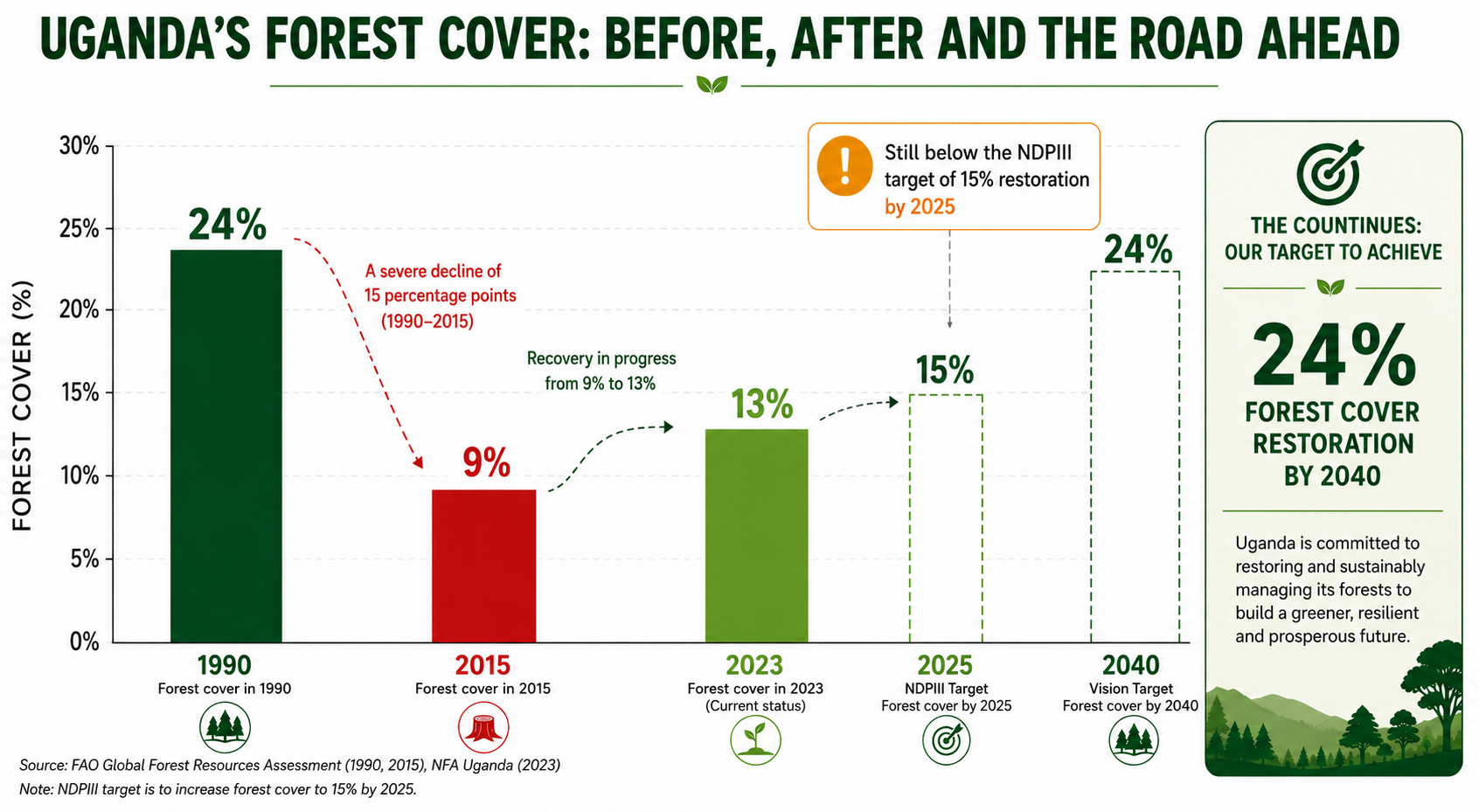
There is no doubt that Uganda has experienced a significant decline in forest cover, dropping from 24% in 1990 to just 9% in 2015. This alarming loss has placed immense pressure on biodiversity, water resources, local livelihoods, and the country’s resilience to climate change. It has also diminished Uganda’s natural heritage, threatening indigenous tree species that have long sustained ecosystems, cultural traditions, and communities for generations.
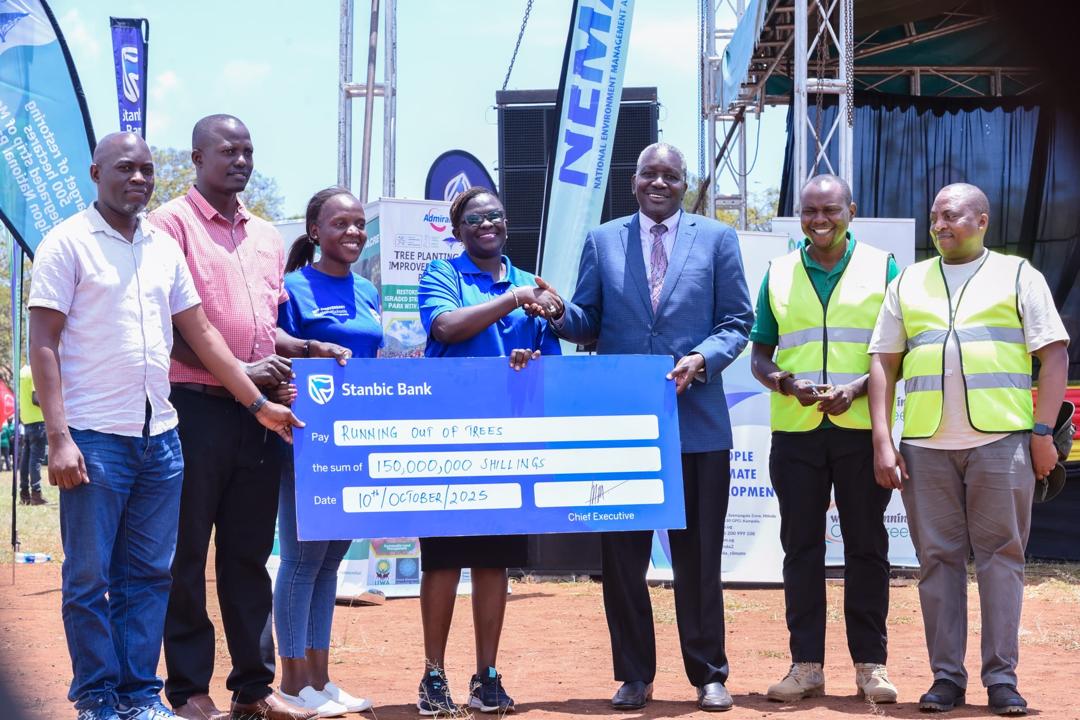 In response to this challenge, the Ministry of Water and Environment came up with the Running Out Of Trees Campaign to mitigate the impacts with support from the private sector. It is through this collaboration and need to reaffirm Stanbic Bank Uganda’s commitment to environmental sustainability and climate resilience that Stanbic Bank, committed UGX 140 million towards restoration of 15 hectares out of the 30 hectares of degraded landscapes.
The Ministry of Water and Environment entrusted Environmental Alert, the Secretariat of the Running Out of Trees Campaign, with implementing the restoration project, which will run until 2027.
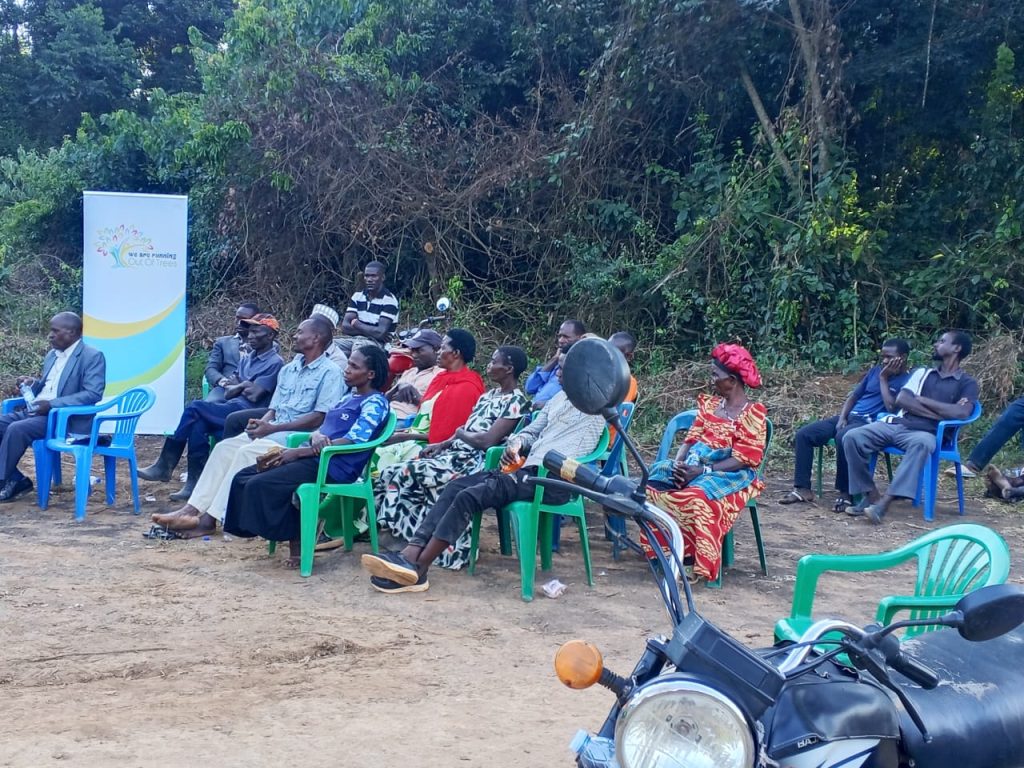
The restoration journey of Manwa Local Forest Reserve (LFR) begins not with tree planting, but with the people who live alongside the local forest to discuss the importance of restoring the reserve, understand their role in protecting it for the future generations.
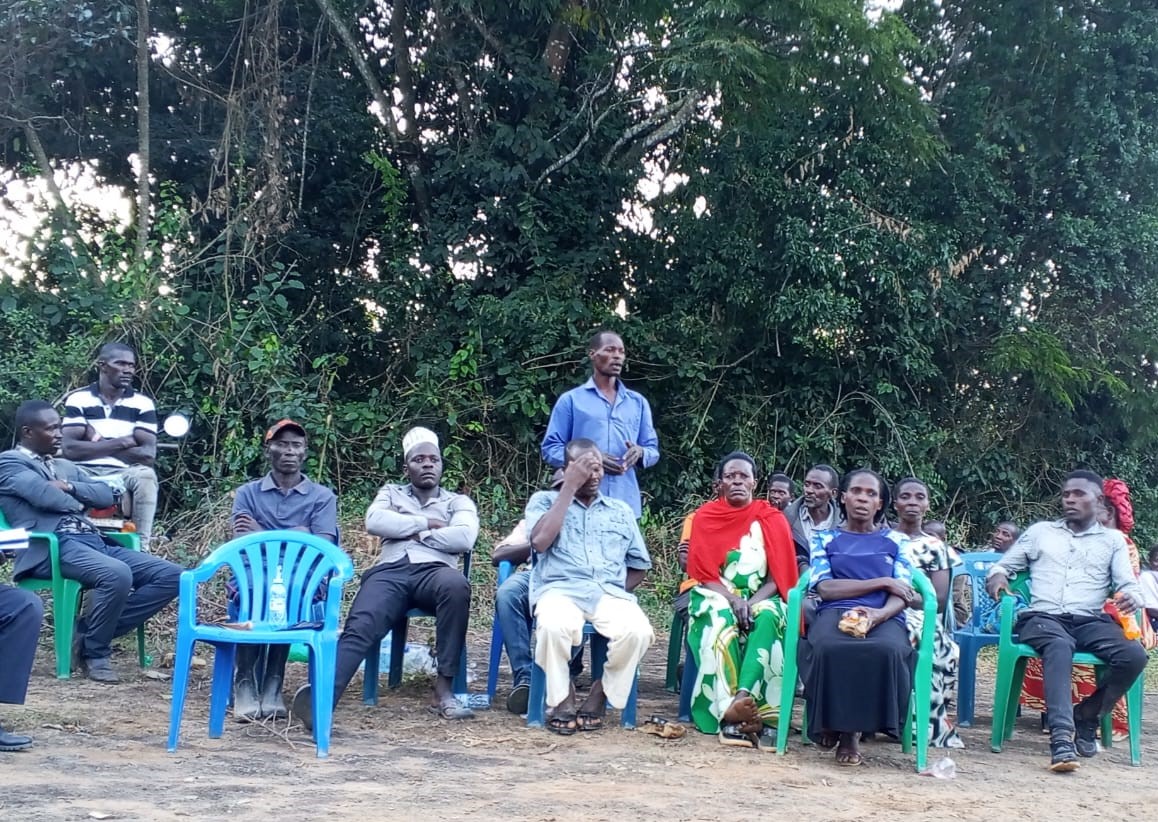
Recognizing that successful restoration depends on local ownership, community awareness, and engagement, activities were organized to equip residents with knowledge about the restoration process, the ecological significance of Manwa LFR, and the long-term benefits of protecting indigenous forests. These dialogues also provided an opportunity for community members to share their concerns, strengthen collaboration with district leaders, and reaffirm their commitment to conserving the reserve.
The restoration of Manwa Local Forest Reserve is therefore more than an environmental intervention; it is a community driven effort that brings together government, the private sector, conservation partners, and local communities to restore degraded landscapes and build a more climate-resilient Uganda.
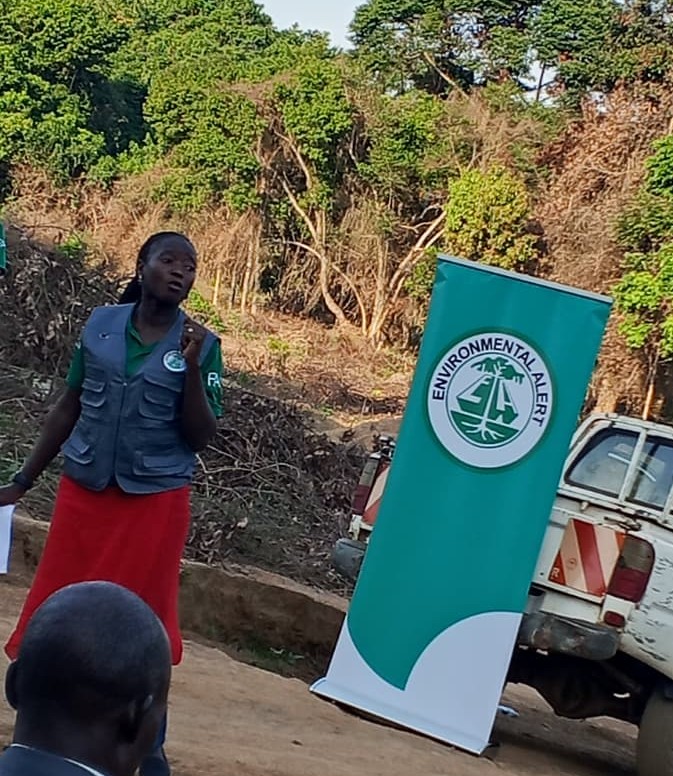 This collective restoration effort of Manwa LFR speaks directly to the National Tree Planting Day 2026 theme, “Indigenous Trees: Reclaiming Our Heritage, Powering Green Economies,” and at the same time create opportunities for sustainable livelihoods through ecotourism, beekeeping, sustainable harvesting of non-timber forest products, climate finance, and improved ecosystem services that support agriculture and water security thereby building green economies that will sustain both people and the environment for generations to come.
Established Facts
- This Year 2026, Uganda has prepared to commemorate the National Tree Planting Day on 2nd October 2026 at the National Forestry Resources Research Institute (NaFORRI) in Mukono, Manwa restoration journey will serve as one of the practical examples of the country’s commitment to restoring degraded landscapes reminding us that reclaiming our heritage begins with restoring indigenous forests, empowering communities, and forging partnerships that transform degraded landscapes into thriving ecosystems capable of supporting biodiversity, livelihoods, and a greener future for Uganda.As part of the ongoing restoration efforts, tree planting activities are now also being integrated in the process with a total of over 1,500 tree seedlings planted, a few months after the start of the project. The seedlings comprise of carefully selected mix of indigenous high-forest and agroforestry species to promote biodiversity, strengthen ecosystem resilience, and support sustainable livelihoods.
- Currently, the forest restoration effort by the Running Out Of Trees Partners and other different stateholders in Uganda have pushed the Country’s Forest Cover Beyond 13%, marking encouraging progress from previous levels. However, this remains below the National Development Plan III (NDP III) target of restoring forest cover to 15% by 2025.