How Sanitation Challenges Affect Girls in Kasese and Ntoroko
For many girls in Uganda, the journey through education can become more difficult the moment they begin that time of the month. What should be a normal stage of growing up can instead become a turning point that pushes some girls out of school.
More than 20% of girls aged 12 to 18 years in Uganda drop out of school after they become indisposed, while about 15% leave school before completing their primary level. Behind these figures are the heartbreaking stories of girls whose dreams are interrupted by social barriers and challenges they face during their menstrual years, girls who may miss lessons, fall behind their peers, lose confidence, and, in some cases, are forced to abandon the classroom altogether.
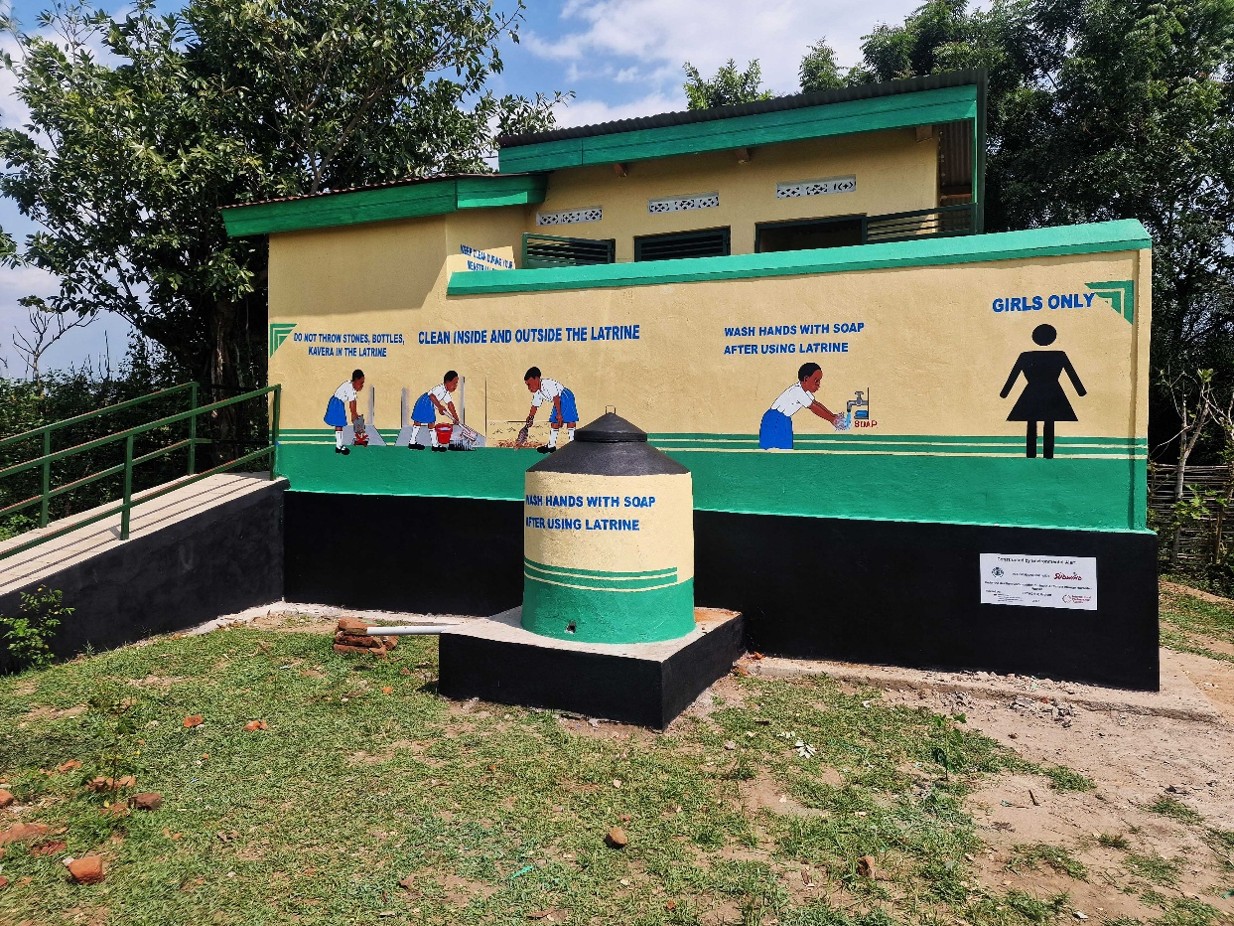
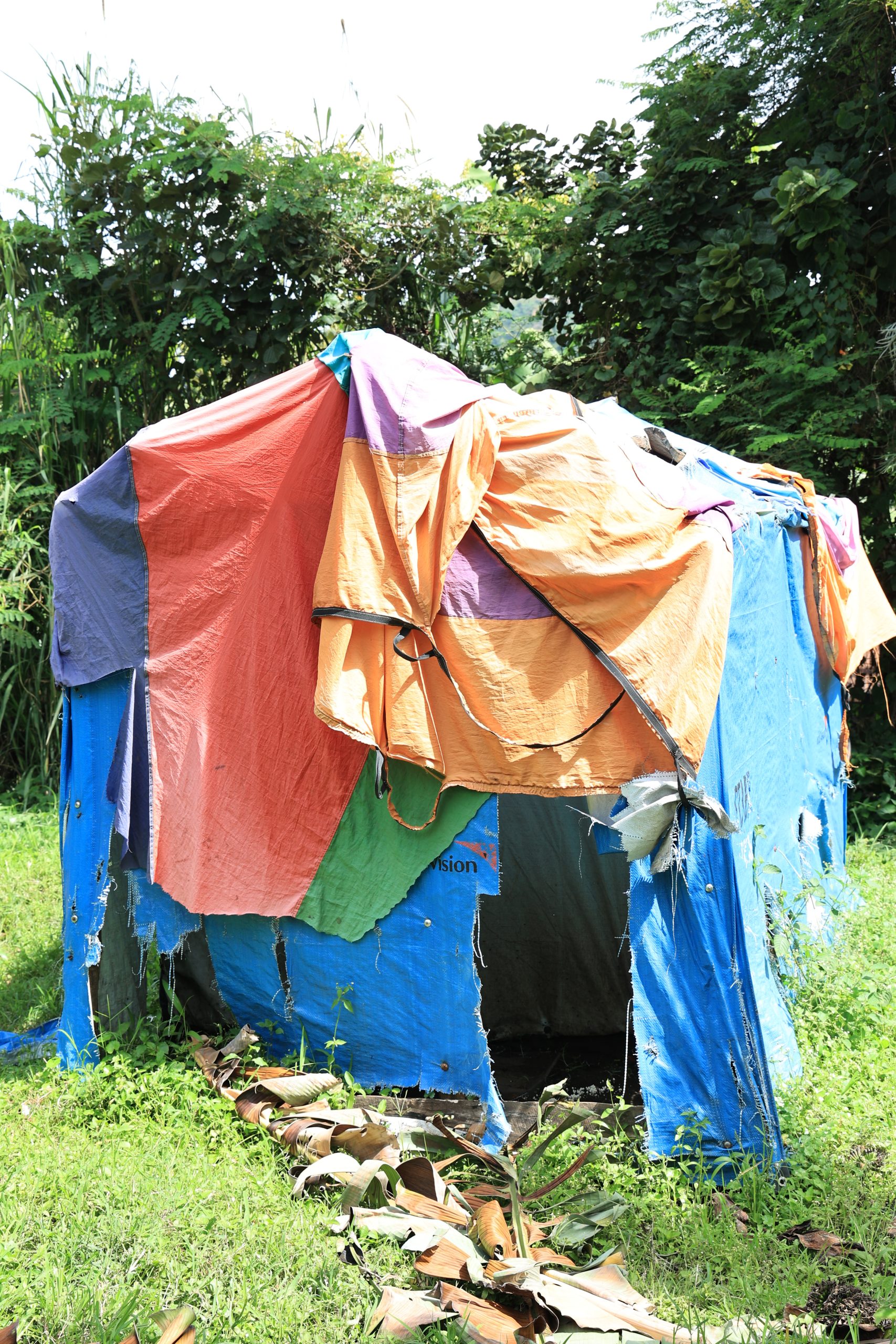 One of the challenges that can deepen this struggle is the inadequate sanitation in schools. When girls do not have access to safe, private, clean, and functional sanitation facilities, managing their periods at school can become uncomfortable, stressful, and undignified.
The lack of separate facilities for girls, inadequate privacy, poor ventilation, limited access to water, and unsafe or unhygienic spaces can leave girls feeling exposed and anxious about managing their menstrual needs while at school.
For some girls, this means staying home during their periods, missing valuable classroom time and gradually falling behind their peers. Over time, what begins as a few missed days can contribute to absenteeism, reduced participation and, ultimately, the risk of dropping out.
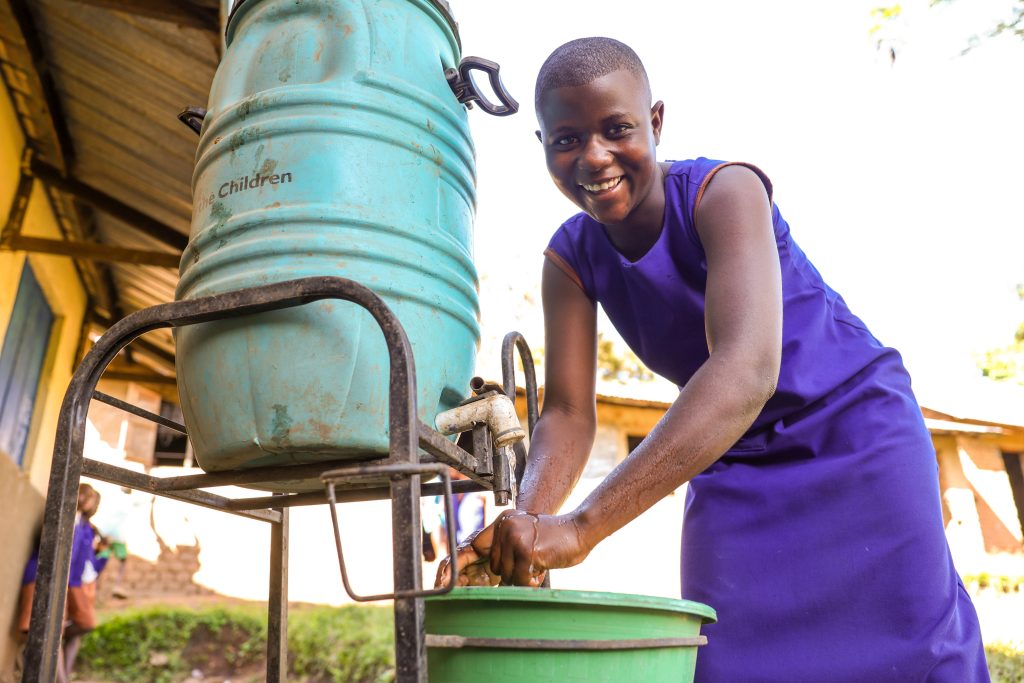
This is why improving school sanitation is not simply about constructing latrines. It is about creating an environment where girls can manage menstruation with privacy and dignity, attend their lessons without fear or embarrassment, and continue pursuing their education.
It is against this backdrop that Südwind, with funding from The International Partnerships Austria and the Federal Ministry of Labour, Social Affairs, Health, Care and Consumer Protection of the Republic of Austria, and through its implementing partner, Environmental Alert (EA), is supporting interventions aimed at improving sanitation conditions in schools in Kasese and Ntoroko through the Resilient Communities to Health and Climate Change Hazards in Uganda project.
The project has been running since last year, with strong collaboration from district local leadership and school management teams for the respective districts, who have played a critical role in guiding, supporting, and overseeing the interventions within the targeted schools.
Their involvement has helped ensure that the project responds to the realities and needs of the communities it serves, while strengthening local ownership and accountability.
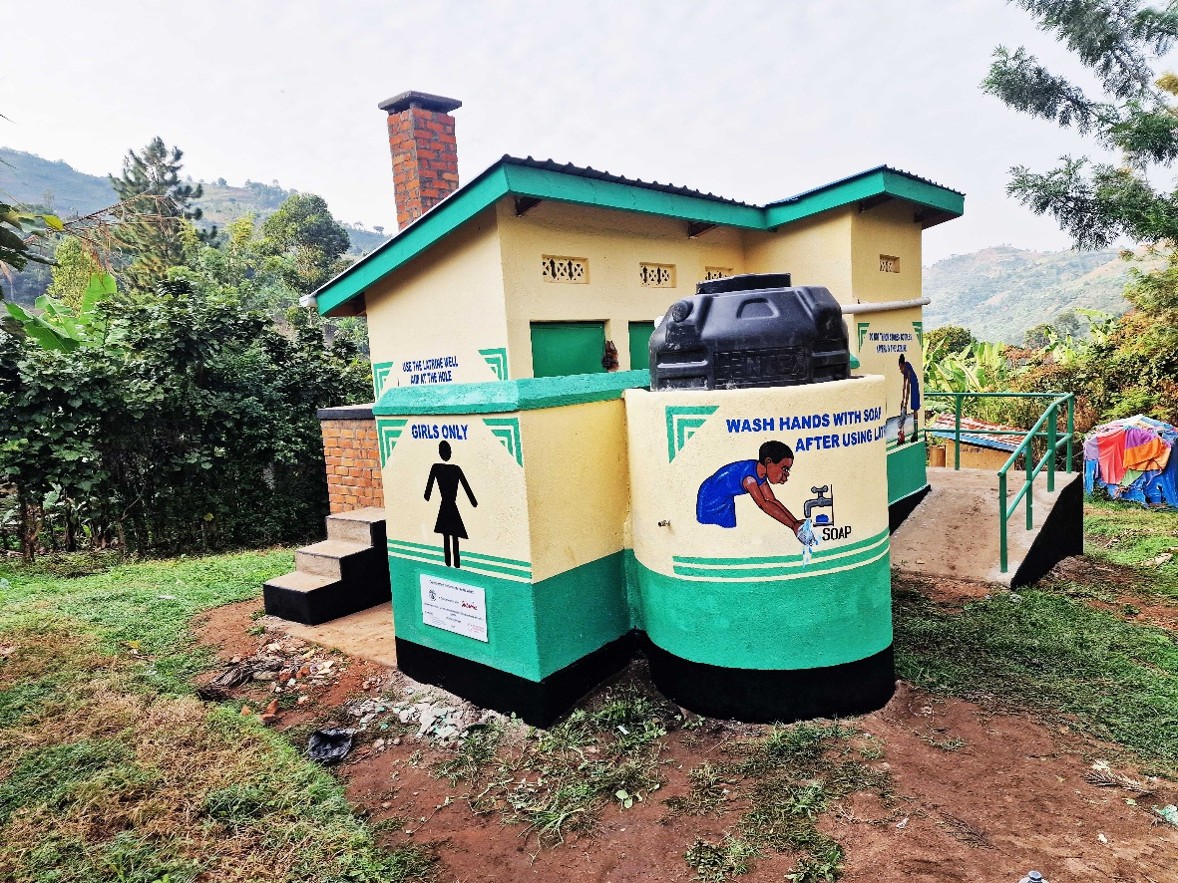
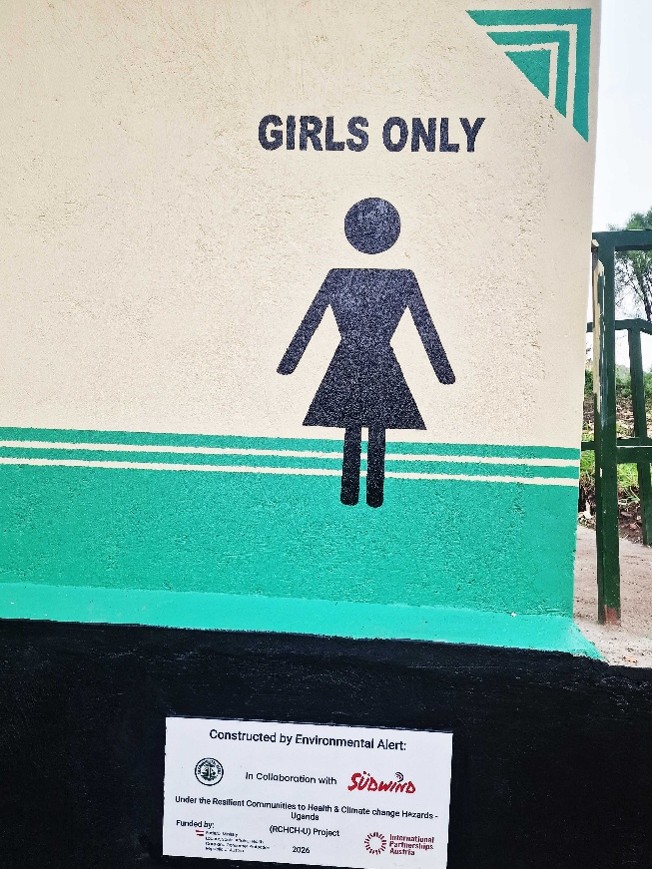 The construction of sanitation facilities is one of the key components of the broader intervention aimed at strengthening community resilience to health and climate-related challenges.
The intervention goes beyond putting up physical structures; it brings together district technical teams, local leaders, and school management to create safer and healthier learning environments for children.
Although the facilities are yet to be officially handed over to the respective schools, another kind of handover is already taking place, a handover of hope, a handover of dignity, and opportunity.
These walls may be made of bricks, cement, and iron sheets, but what they represent is far greater: a school environment where a girl can attend class without worrying about where she will be able to navigate her monthly cycle with confidence and dignity, where privacy is protected, and where sanitation does not stand between her and her education.