Erasmus+ Information Session
Erasmus+ Information Session Sparks Hope for Uganda’s Youth to Benefit from EU’s 110 Trillion Support.
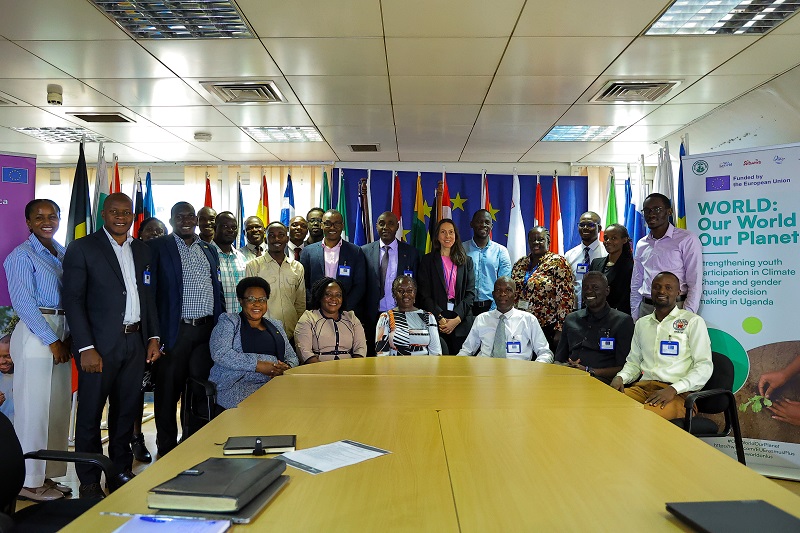
In an information session held today at the European Union Delegation, located at Stanbic Tower in Kampala, different stakeholders, including youths and development partners, gathered to explore the newly unveiled opportunities for youths under the Erasmus+ programme.
It should be noted that Erasmus+ has a budget of over 100 trillion and is the flagship programme of the European Union, designed to support education, training, and capacity-building initiatives. The programme promotes international collaboration and skills development across higher education, vocational education and training, school education, including early childhood education and care, adult learning, as well as youth and sport, while advancing virtual exchange opportunities for young people and youth-led organisations.
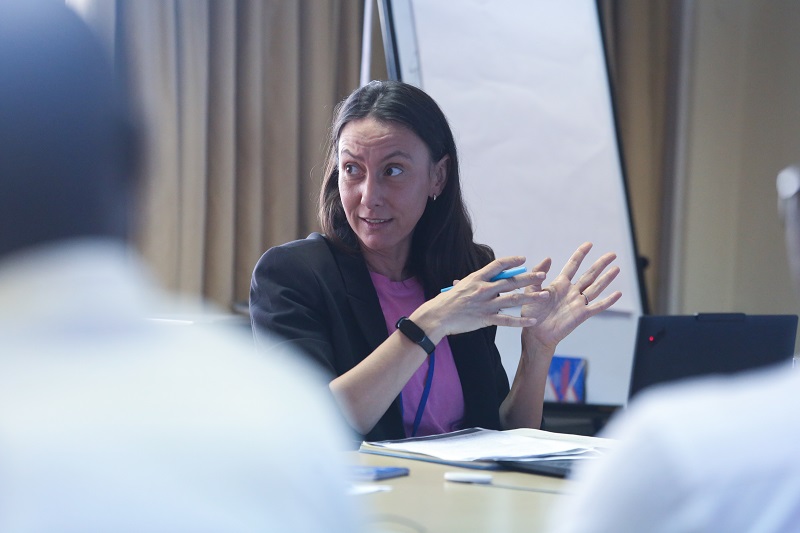
“This morning, we have organised a session between the EU delegation and the Ministry of Education and Sports to share some information regarding some components of the Erasmus+ programmes. The Erasmus+ programme has many many different subcomponets including the Erasmus Mundus Joint Masters, Erasmus+ Capacity building in the higher education but today we focused on two specific streams of Erasmus and that is capacity building in the field of youths and virtual exchange,” said Juliette Rubenstein, the Programme Manager responsible for Erasmus+ Education and Higher Education at the Delegation of the European Union to Uganda.
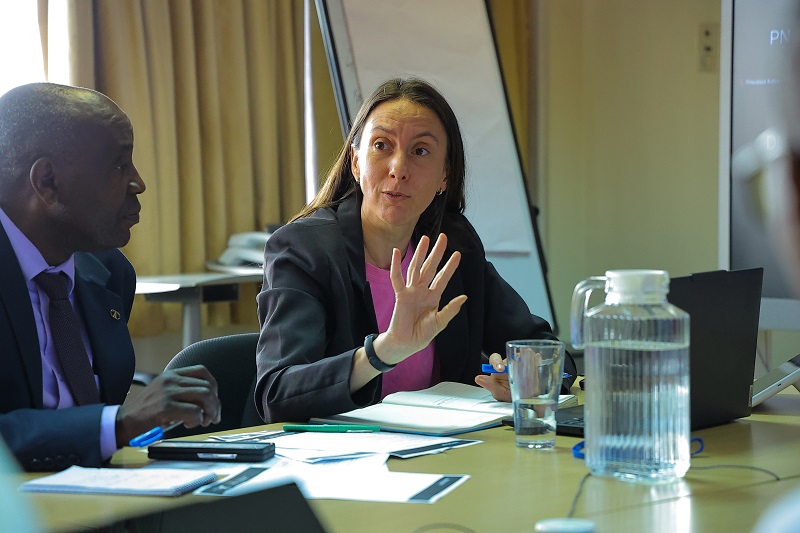 Juliette explained that the session placed strong emphasis on eligibility criteria and application procedures to tap into the EU fund, providing practical guidance to the participants. She further noted that representatives from four Ugandan organisations that have previously benefited from the programme delivered presentations, sharing real-life experiences of their participation, the impact of their projects, and the tangible results achieved within the framework of the programme.
Since 1987, the Erasmus+ Programme has grown into one of the European Union’s most influential global cooperation tools, supporting education, training, youth, and sport. Over the years, it has increasingly strengthened collaboration between Europe and partner countries, including Uganda and other nations in the Global South.
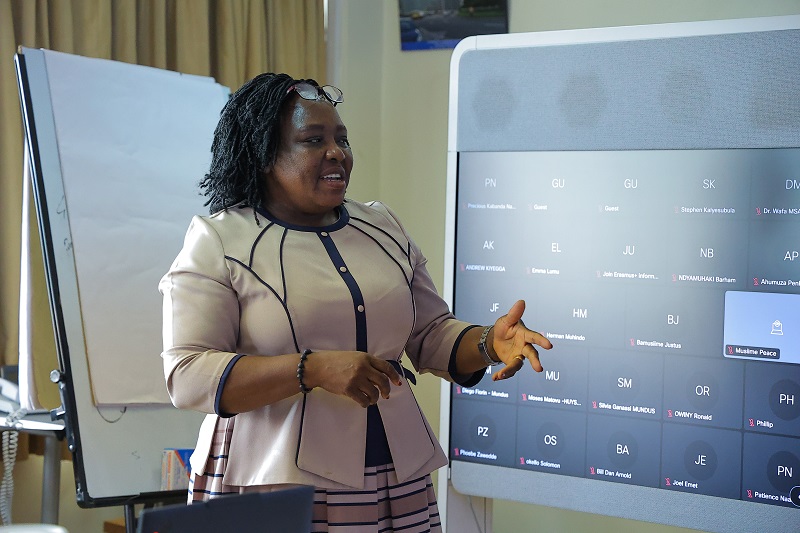
“Environmental Alert (EA) discovered Erasmus+ opportunities via an existing partnership with an International NGO (INGO) called Sudwind in Austria that focuses on climate action and youth empowerment. Hereafter, a partnership between EA, We World, and Sudwind was developed through shared climate advocacy and youth engagement goals that made the three agencies connect to other partners in the East African region,” said Jacinta Nekesa Nangabo, the Executive Director at Environmental Alert Uganda.
According to Jacinta, she highlighted that one of the European funded project that is ongoing is titled “World: Our World; Our Planet,” commenced on 1st July 2023 and will run until 31st June 2026. She explained that the project seeks to promote intercultural dialogue between young people in the Global North and the Global South through online, people-to-people interactions.
She further noted that the initiative has enabled Environmental Alert (EA) to strengthen and support the active participation of youth in advocating for more effective and coherent climate change solutions at national, European Union, and international levels.
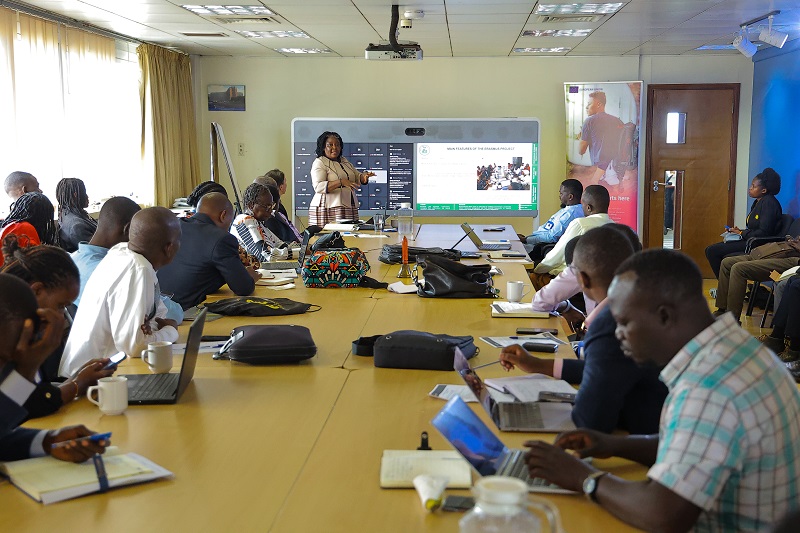
Jacinta concluded, expressing her experience with the Erasmus+ information session, saying, “It opened up possibilities for partnership and collaboration with many more young people as well as youth organisations. It was an opportunity for information sharing, learning, knowledge exchange, and networking.”
Accessing funding under the Erasmus+ Programme requires more than interest; it demands preparation, strategy, and a clear understanding of the programme framework.
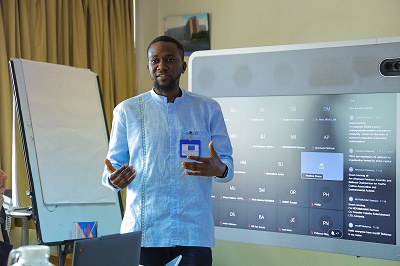
“We have had an opportunity to implement a project that has been funded by the Erasmus+ and coming to this information session it has reminded us of the many opportunities available that young people can take up, so conversations like this provide opportunities where we can mobilize the resources to invest in the work that we are doing so that we can empower more young people,” said Emmanuel Kalule Ssekitto, founder and CEO of FacesUp. According to Emmanuel, they are running the “I Can” project, which focuses on empowering young people to embrace a proactive and solution-oriented mindset.
He explained that the project, which is being implemented across six countries, encourages youth to shift from a culture of dependency to one of action and innovation. Through the initiative, young people in diverse communities are guided to critically identify the challenges affecting them and take deliberate steps to design practical, locally driven solutions without waiting for external intervention, but instead believe in their own capacity to initiate change, influence development, and transform their communities from within.
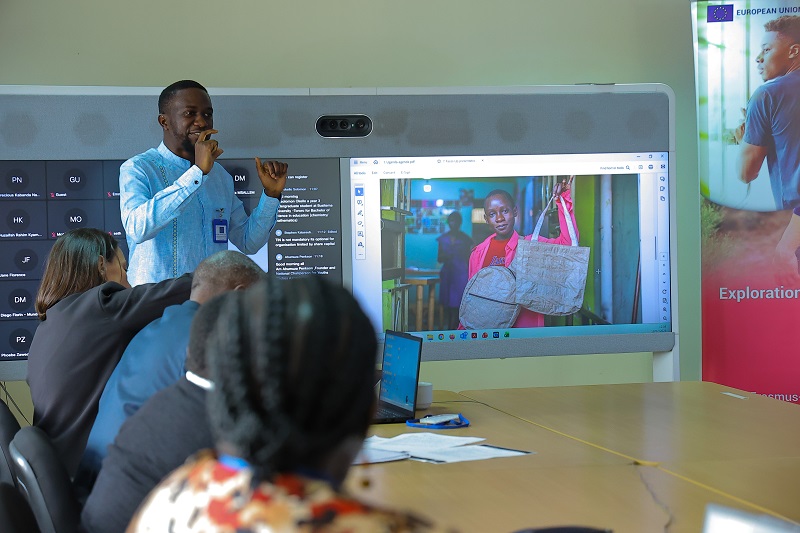
“Today, we are seeing young people coming up with projects that are addressing climate-related challenges because climate-related challenges are some of the challenges they face in their communities. We see young people starting projects that are addressing social economical related issues, so it’s from those challenges that they are facing as young people that they come up with ideas that address the challenges.” Emmanuel added.
Still, on the capacity building of the youths, he also noted that in the Erasmus+ information session, he shared about a group of five young people who see single-use plastics as an issue in their community, so they started a project where they recycle sacks into bags. They pick up sacks from the communities and turn them into a treasure that they are selling. So young people like that are not only seeing or complaining about these issues but are actively taking part in addressing them and picking up skills like taking action and translating these challenges into opportunities.
At the heart of every funding process is the Erasmus+ Programme Guide, the official document that outlines the funding priorities, eligible actions, partnership requirements, and conditions for participation.
Each year, typically around November, the European Commission publishes new calls for proposals, detailing the specific funding opportunities available under different actions. Organisations and institutions seeking support must therefore begin preparations early, identifying international partners, aligning project ideas with programme priorities, and ensuring full compliance with the participation and funding conditions set out in the Guide.
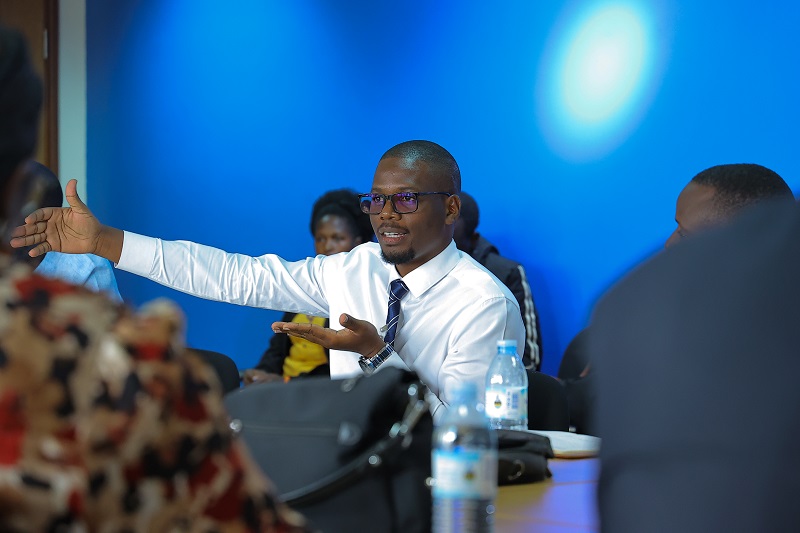
“Education is a fundamental right of children, so we advocate for the education of children in this country, and we work with local structures, government schools, because we want to achieve the concept of sustainability,” said Isabirye Enock, Project Coordinator at Huys Link Community Initiative.
Enock described the Erasmus+ information session as highly beneficial, particularly for organizations operating in the climate change space, the education system, those working with youths, and those seeking access to European Union funding opportunities.
He noted that the experiences and testimonies shared during the session were impactful, as they inspired renewed confidence among participants who had previously believed that such funding was reserved for large or well-established entities. However, the session clarified that even small organizations can successfully apply for grants, provided they partner with a lead consortium based in Europe, opening doors for more inclusive participation and collaboration.
“It is easy to get this EU fund because you are not the lead applicant so you do not do alot of work, all you need is to provide information and also point to the interest of the lead applicant and the call itself, however it also depends on who the lead applicant is, if they have high chances of getting projects from EU well it will be very easy but if they have hard time then it will also be hard to get the funding,” Enock added.
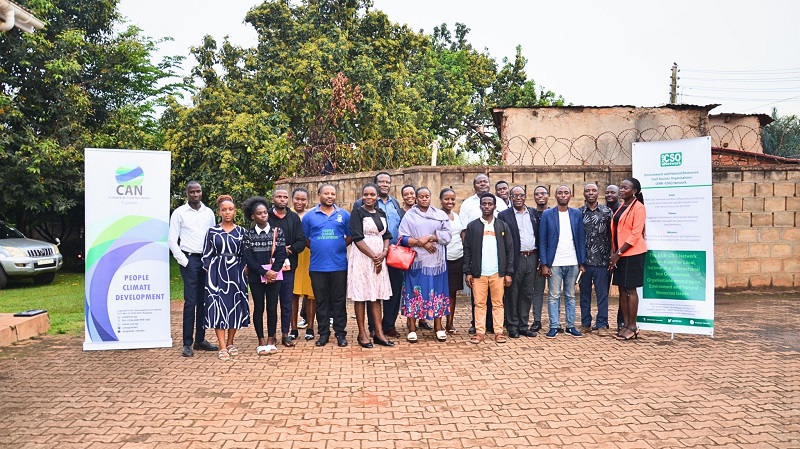
Uganda Moves to Strengthen Climate Negotiation Capacity on Mitigation Ahead of COP30.
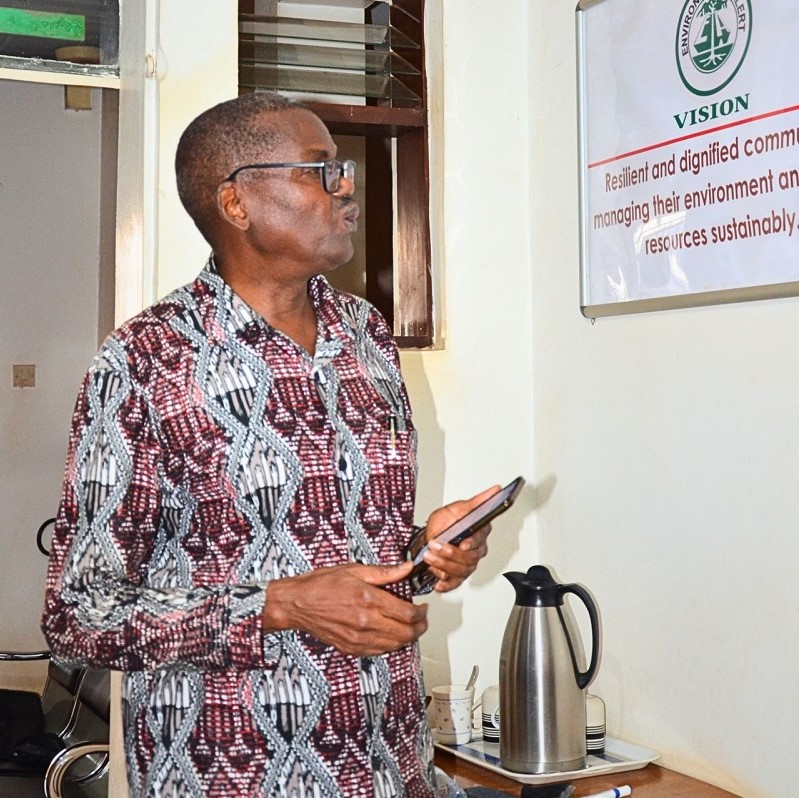
“Climate Change Mitigation refers to Human intervention to reduce greenhouse gas emissions and increase greenhouse sinks and the case of Uganda, our major greenhouse gas emission arises from the loss of natural carbon stock, followed by emissions in transport, and others in the waste industry. If we reduce emissions in transport and arrest the loss of forest cover and replant, then we are doing mitigation.” Engineer. Dr. Mackay Okure said while addressing the Civil Society Organization Climate Change Mitigation Working Group.
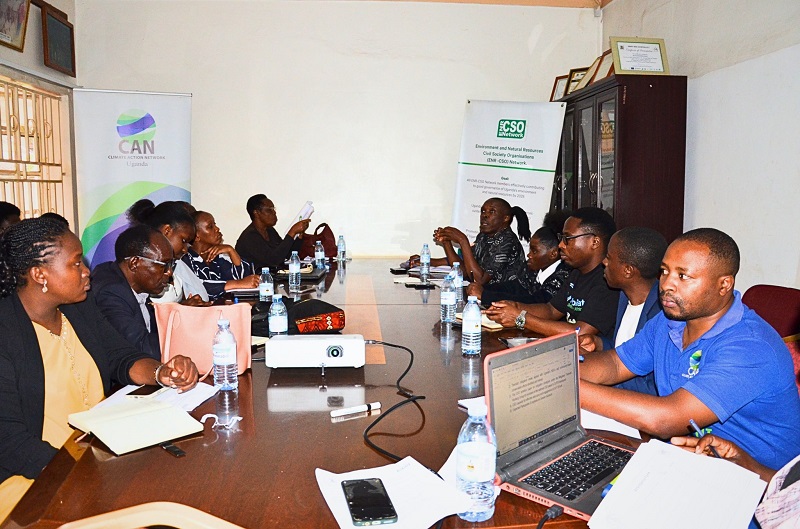
Dr. Mackay also mentioned that the objective of this mitigation is to stabilize the levels of greenhouse gases in the atmosphere that cause global Warming and eventually cause climate change, which is in the long term and defined as extreme weather events, which are on a daily basis.
According to Dr. Mackay Okure, emphasized that “Climate Mitigation negotiations are about the Science of Climate Change and its implications, so if science says that because of ABCD, then we must mitigate, and this requires us to always review the science despite the fact that some people do not want to believe the science.”
He also noted that the second priority is to strategize on measures to minimize and manage emissions, with a focus on the long-term implications of current efforts to reduce or stabilize them. He further noted that, under mitigation, the goal is also to mobilize and coordinate party plans, including actions, emission reports, and other relevant mitigation initiatives.
In a renewed effort to boost the protection of carbon sinks, Mitigation negotiators, communities, and Civil Society Organizations (CSOs) are set to undergo comprehensive sensitization on forest crimes.
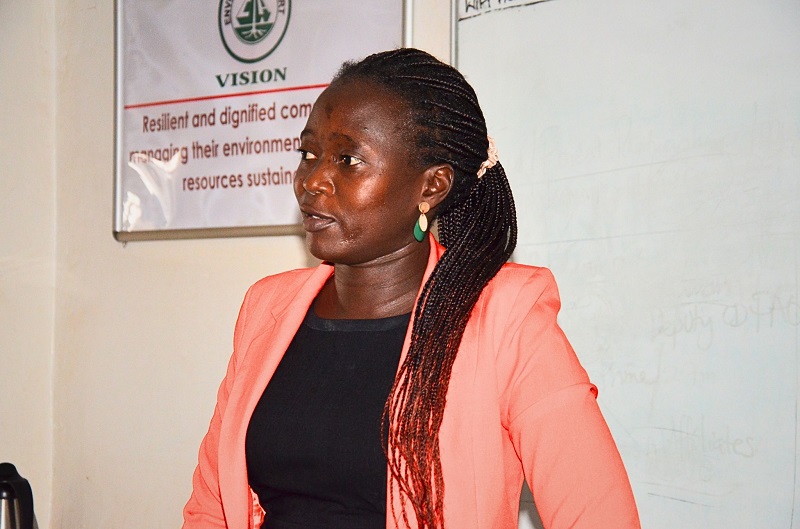
“Our contribution towards carbon sinks is most likely to be great and bottom line is that our community sensitization, everyone even civil social society organizations will be sensitized about forest crime because many of us may not know what forest crimes are, how we rank them, what the reporting channels are and who is responsible and because of this our capacity will be built to confidently be able to write about Forest crime and everyone will be brought on table.” The Programs Manager at Environmental Alert, Carolyne Kirabo, said while addressing Mitigation Negotiators ahead of CoP30.
Established Facts.
Uganda has one of the youngest populations in the world; however, a significant portion remains unemployed. This unemployment challenge has driven many people to depend heavily on natural resources, particularly wetlands and forests, for survival through activities such as extraction and cultivation. While this dependence exerts pressure on the environment, it also presents a unique opportunity to design sustainable livelihood options that bridge the existing income and employment gap, ensuring both economic empowerment and environmental conservation thrive together.
The Environment and Natural Resources Civil Society Organization Network and partners will be leading the Youth and Women Action Against Forest Crime project, a groundbreaking initiative aimed at combating illegal activities threatening the country’s forests. The project, funded by the United Nations Office on Drugs and Crime (UNODC), seeks to empower young people and women to take a leading role in protecting and restoring forest ecosystems.
Through the support of UNODC’s advanced crime-tracking systems, Uganda is set to strengthen its capacity to detect, report, and respond to forest-related offenses. The initiative will also build community awareness on the impacts of forest crime and promote active participation in conservation efforts.
By equipping youth and women with knowledge and tools to fight forest crime, the project is paving the way for sustainable forest management and contributing to Uganda’s broader efforts to restore its natural heritage.
Youth Mobilized to Shape Priorities for COP30 Brazil.
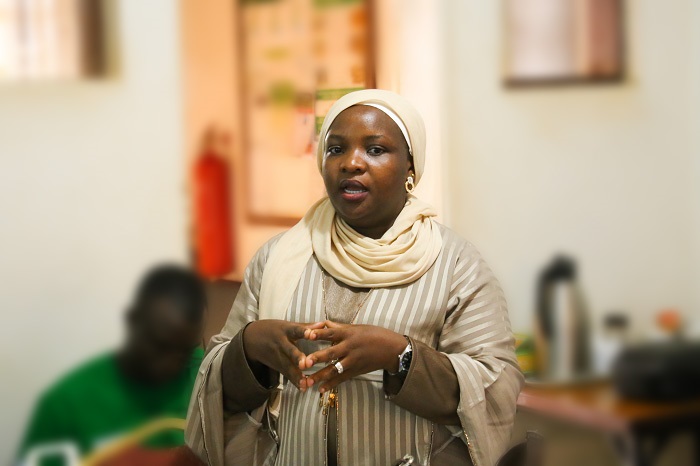
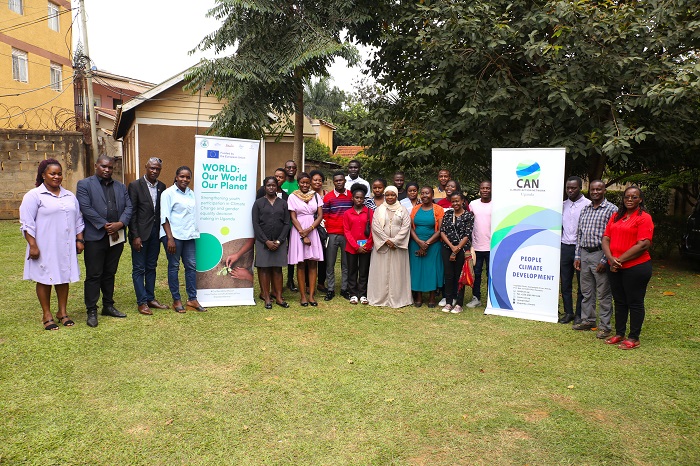
Najjuko Carolyn, the Environment Engineer and Manager in the Climate Change Department at the Ministry of Water and Environment, has emphasized the urgent need for youth participation in global climate processes. She made the remarks today during a training session for youth on climate change negotiations held at the Environmental Alert headquarters in Kabalagala.
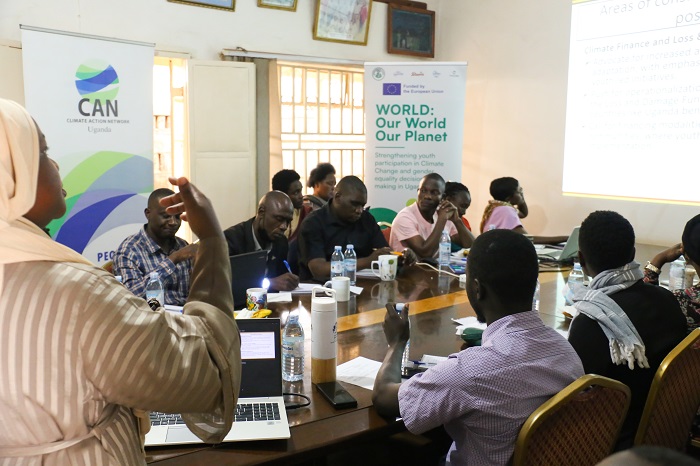
“The youth have been targeted and are some of the different groups that have been impacted by the effects of climate change and this is a call for them to come up and participate aggressively in this space of Climate change while also taking up space to get these opportunities that exist in the climate change spaces, things to deal with innovation especial where they can get green jobs, innovation opportunities in technology for example using digital tools to document evidence of climate disasters within Uganda and also be able to communicate this information in a form that is best understood by everyone,” said Najjuko.
She further highlighted challenges around climate finance, stressing that current procedures hinder youth access to funds. “At CoP30 in Brazil, the youth [are] seeking financing and improving the modernities because right now it’s very hard for them to have access to climate finance because of the hectic procedures that are in existence, and this should be made a little bit simpler for the youths,” she explained.
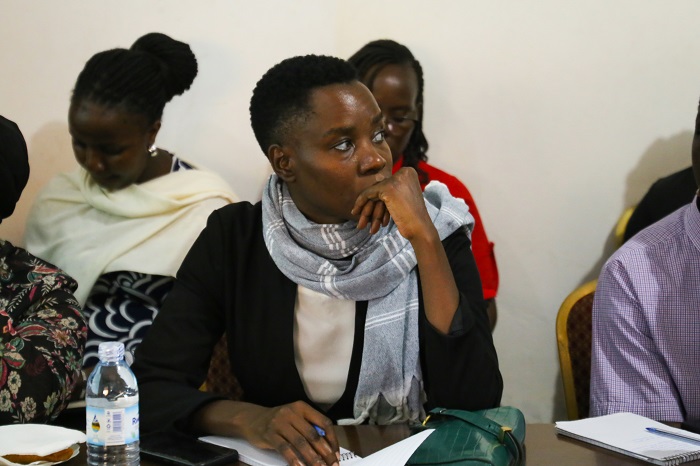
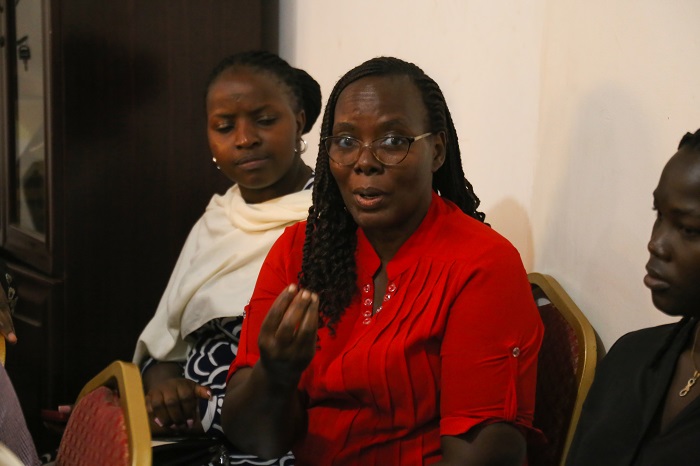
On adaptation and loss, and damage, Najjuko said young people remain among the most vulnerable. “Adaptation, Lose and damage, the youth are very affected and so today their key asks have been on financing on the Loss and Damage and putting actual money in the funds they can tap into and come up with innovative ways of addressing these climate change impacts and reduce on these damages and for the case of mitigation they agree on the just energy transition which is also a priority to Uganda and the youth would also want to tap in this opportunity through the innovative clean energy systems that are exiting to be able to create themselves green jobs and also address the issue of unemployment that exists.”
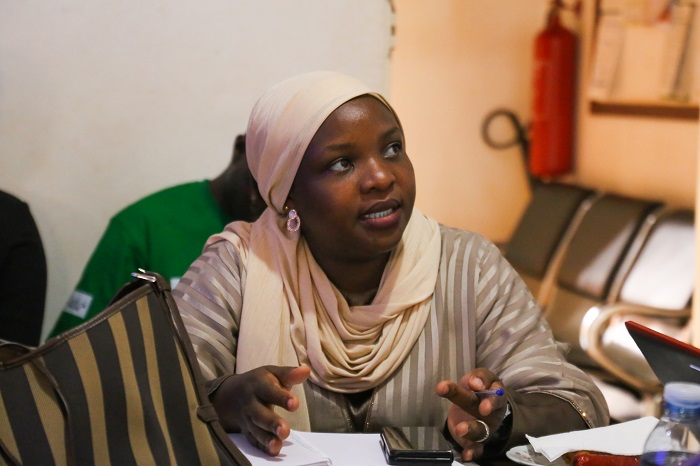
In her conclusion, Najjuko stressed the need to address issues of climate change threatening health and well-being, noting that climate justice must be clearly communicated. She underscored the importance of prioritizing the nexus between climate and health, as well as agriculture and climate, given Uganda’s Agro-based economy. She further highlighted youth demands for inclusion in UNFCCC and institutional processes to ensure representation at all levels, thereby strengthening their participation in future COPs.
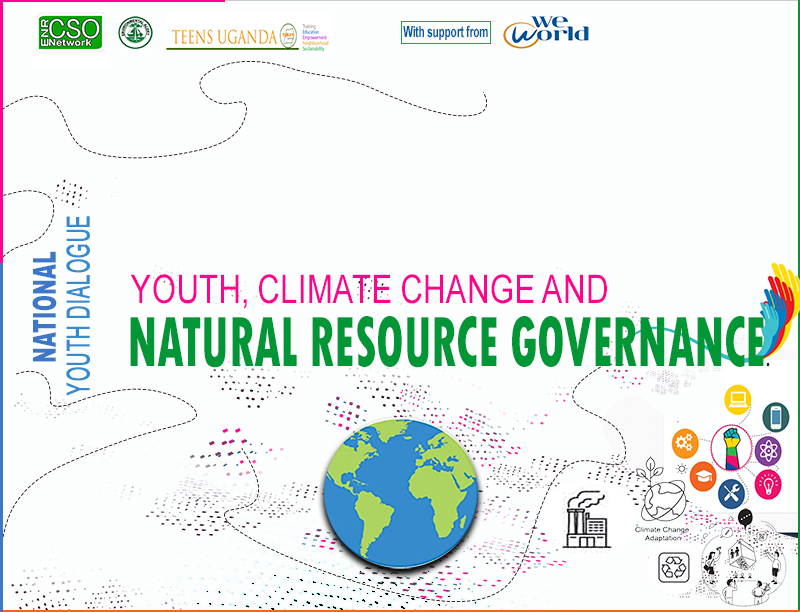
National Youth Dialogue
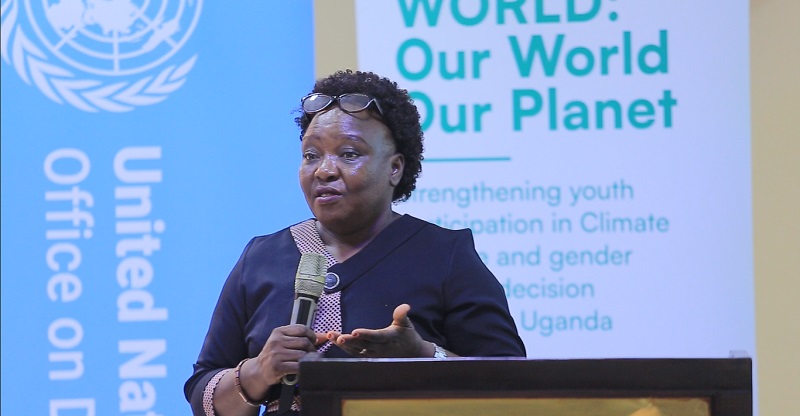
Youth Empowerment for a Sustainable Future.
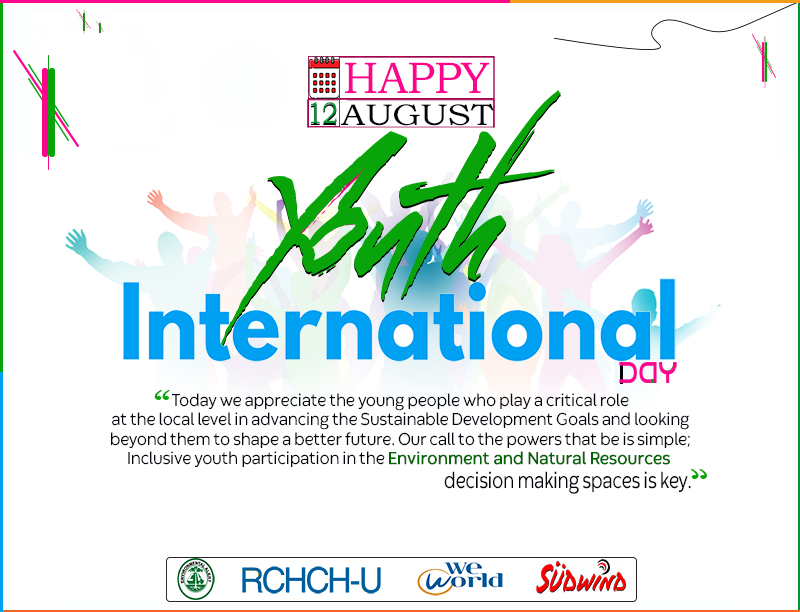
“We are celebrating International Youth Week with the theme: ‘Youth Empowerment for a Sustainable Future.‘ This theme is timely for the Government of Uganda, civil society organizations, individuals, and others to create spaces for dialogue among youths.
It is essential for their voices to be heard, for them to network, and to learn from each other, enabling young people to develop appropriate solutions to address the negative impacts of climate change at local, national, and international levels.
We would like to express our gratitude to donors such as the European Union for providing funding to support this initiative through agencies like Environmental Alert (EA), WeWorld Italy, and UNODC .” Jacinta Nekesa Nangabo, Team Leader at Environmental Alert (EA), stated while addressing the Participants at Piato Restaurant, Kampala.
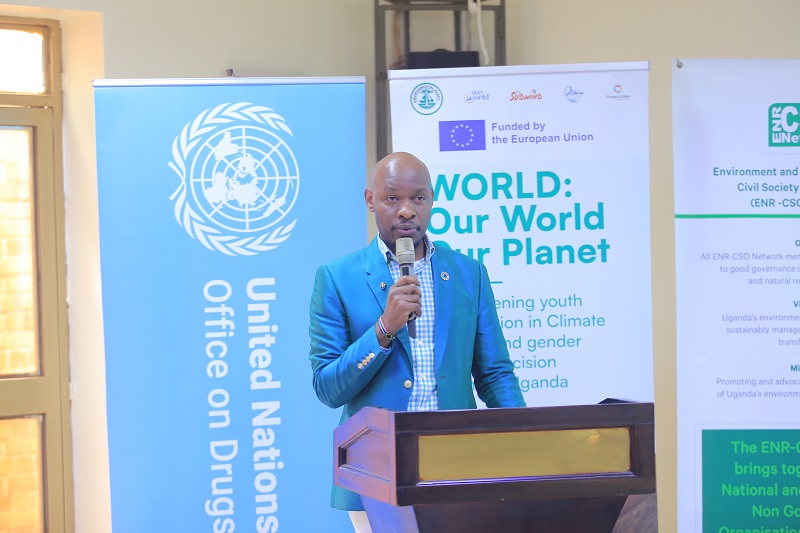
Sustainability:
KIGONGO ROBERT, the Sustainable development analyst, said, “As we commemorate the International Youth Day 2025, our role is to enhance capacities through training and climate financing to build resilience towards accelerating Planet Sustainable Development Goals.
“According to Mr. KIGONGO, they have trained more than 3 cohorts in partnership with UNICEF and are proud that many of the trainees have come up with Climate action innovations and grassroots activities, signifying the true, meaningful participation of young people.”The young people are the biggest stakeholders of the future, therefore it’s not only their critical role to climate action and environmental conservation but rather an indictment as potential victims.” Mr. KIGONGO ROBERT added.
He also mentioned that the National resource management starts with sound land use and ends with Sound land use, quoting one of the greatest heroes in Africa and beyond, Nelson Mandela, that “It’s all our duty to save the Environment, don’t wait for anyone, start now to conserve, protect, and restore the Environment.” WeWorld, European Union, UNODC
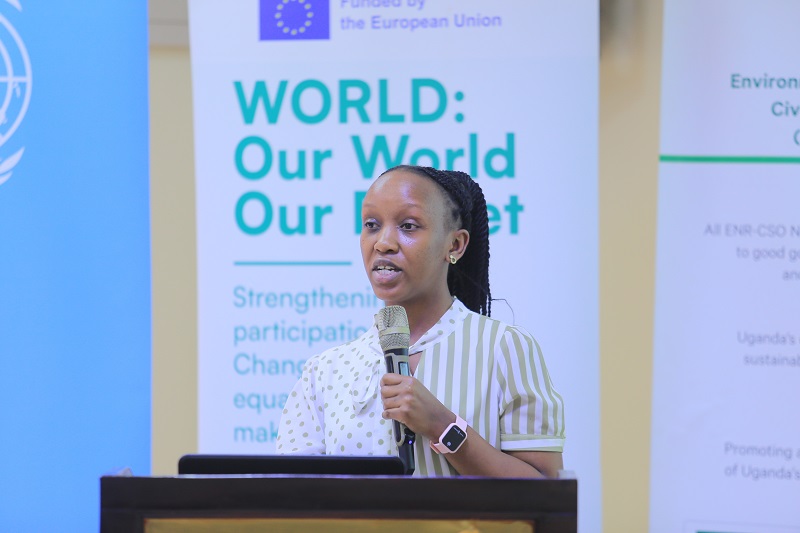
Vanessa Nakitto, a conservation biologist and the Environment and Natural Resource Civil Society Organization (ENRCSO) Youth Activist, said, “Youth are not just the future leaders but active change-makers, driving solutions in the present.”
She emphasized that young people possess the creativity, energy, and resilience needed to tackle pressing environmental challenges. According to Miss Vanessa, inclusive action where all voices, especially those of youth, women, and marginalized groups, are heard is urgently needed to ensure the sustainable stewardship of Uganda’s forests, water bodies, wildlife, and other natural resources.
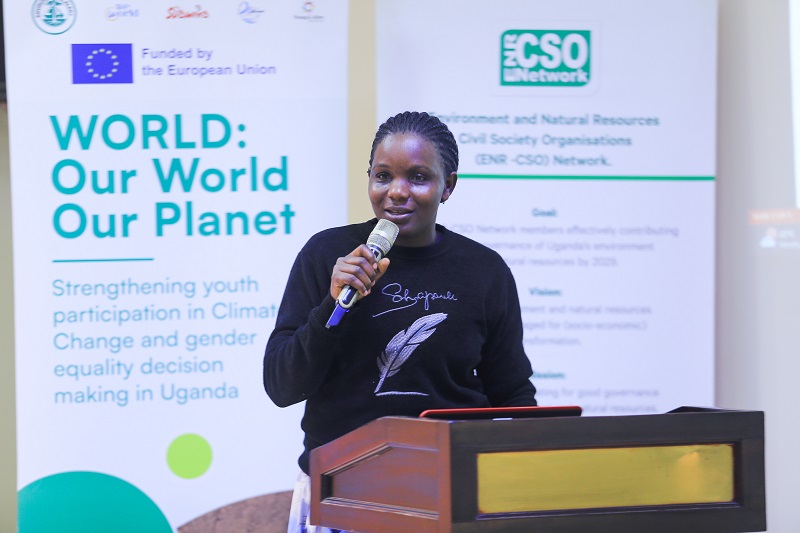
Atwine Peninah, the Programs and Partnership Coordinator at Environmental Alert
“In the spirit of International Youth Day, we intend to build an informed, connected, and action-driven generation that is not only aware of environmental challenges but also empowered with the knowledge, skills, and networks to take decisive action.
We seek to inspire a sense of responsibility among young people, foster collaboration across communities, and drive innovative solutions that protect our planet’s biodiversity, restore degraded ecosystems, and promote sustainable living.”
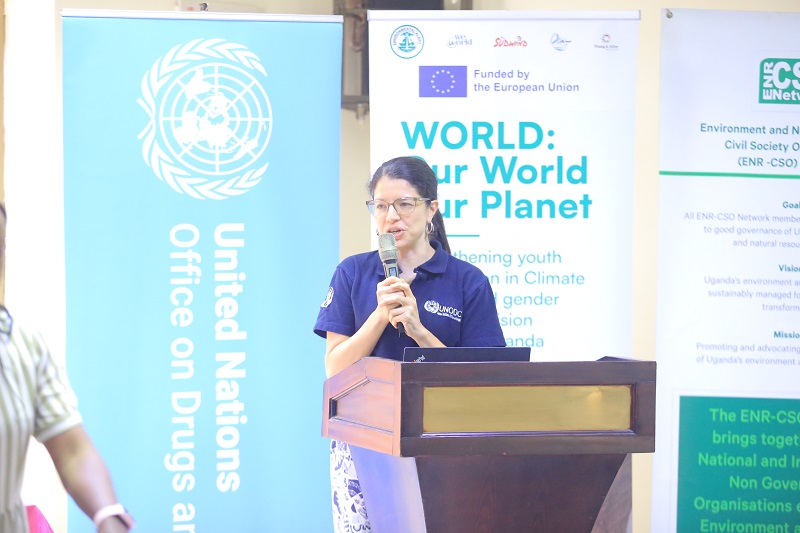
UNODC: Uganda’s Forests Under Siege.
Forests are crucial for biodiversity, climate regulation, and the sustenance of communities. Yet, for the past decade and beyond, they have faced relentless threats: unsustainable agricultural practices, industrialization, unchecked urban expansion, forest crime, climate change, and biodiversity loss.
The United Nations Office on Drugs and Crime (UNODC) defines forest crime as the illegal exploitation of flora, including unauthorized trading, harvesting, importing, exporting, processing, or consuming of forest resources, in violation of national and international laws.
“These forest crimes are progressing at a rapid rate since 1990, with an estimation of 420 million hectares have been lost through the conversion of forests to other land uses, and this is much more noticeable in Africa, where between 2010 and 2020 almost 4 million hectares were lost making the biggest continent to lose forests followed by South America.” Alejandra Euceda, the Programme Coordinator for Forest Crime at UNODC, said during the National Youth Dialogue.
UNODC said that according to INTERPOL, bigger Logging is responsible for 15 to 30% of global timber production and accounts for 50 to 90% of forest activities in key producers, and to put to your attention, “The global timber market is estimated to be 370 billion, making it the world’s third largest transnational Crime.”
Links between transnational and organized crime are tightening, prompting UNODC to intensify its efforts against illegal logging. Ranked as the world’s third most valuable transnational crime after counterfeiting and drug trafficking, illegal logging drains an estimated $17 billion from Africa each year, weakens governance, fuels corruption, and drives conflict and insecurity across the continent.
“The economy in Uganda is very reliant on natural resources, and this leads local communities to place significant force on these forest resources, leading to unsustainable use of forests, and all these other drivers like commercial agricultural production, which includes sugar canes, maize, rice as well as charcoal production, are all contributing factors to deforestation,” Alejandra added.
She also mentioned that to address these ongoing issues, UNODC is using “A Crime Scene to Courtroom Approach,” which works at all stages, addressing the issues from the root causes, looking at prevention efforts, detection, working with Law enforcement and other frontline actors such as the Civil Society Organizations, Youth, and development partners.
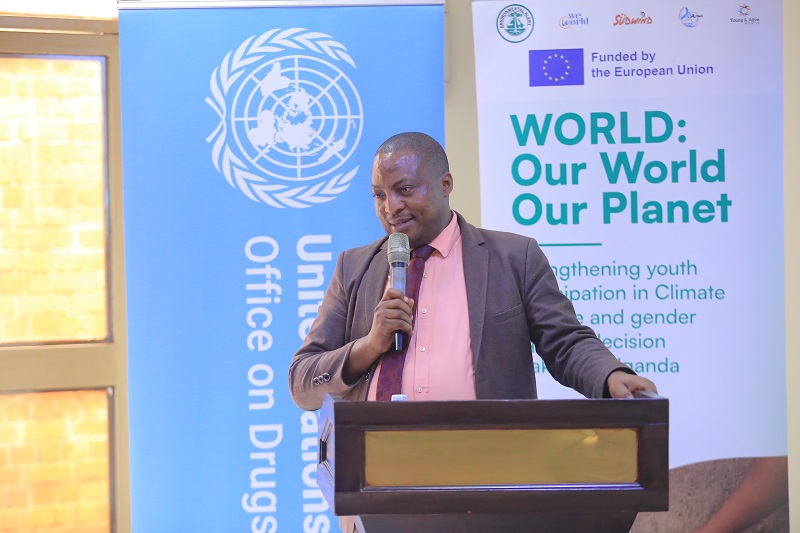
Kampala Urges the Youth to Exercise Constitutional Rights in Combating Illegal Forest Activities.
Natural Resource Governance refers to the decision-making processes that guide the control, management, and use of the environment and its resources.
In Uganda, this governance carries a constitutional obligation to involve all citizens, including the youth, in shaping how these resources are protected and utilized.
“Charcoal burning has been a very big problem to us as a sector and we have been dealing with it in different ways including a ban we put in 2023 and we have been trying to implement the ban even though these charcoal burners are becoming more cunning and changing in tactics however now more environmental protection agencies have been put on alert over charcoal.” Bob Kazungu, the Assistant Commissioner for Forestry at the Ministry of Water and Environment MWE, said during the National Youth Dialogue.
According to Bob, he said that before one burns charcoal, they should undertake a screening because when you look at the National Environment Act of 2019, one should have an environmental natural resource certificate or policy brief before getting involved in charcoal burning, even when we cannot run away from charcoal now.
“Every Ugandan has a right to stop any illegality by the constitution, and the youth are very vibrant in helping out against these illegal people and ask for documentation with guidance from the authorities to try and stop this illegality,” Bob added while encouraging the Youth to take part in Environmental Governance.
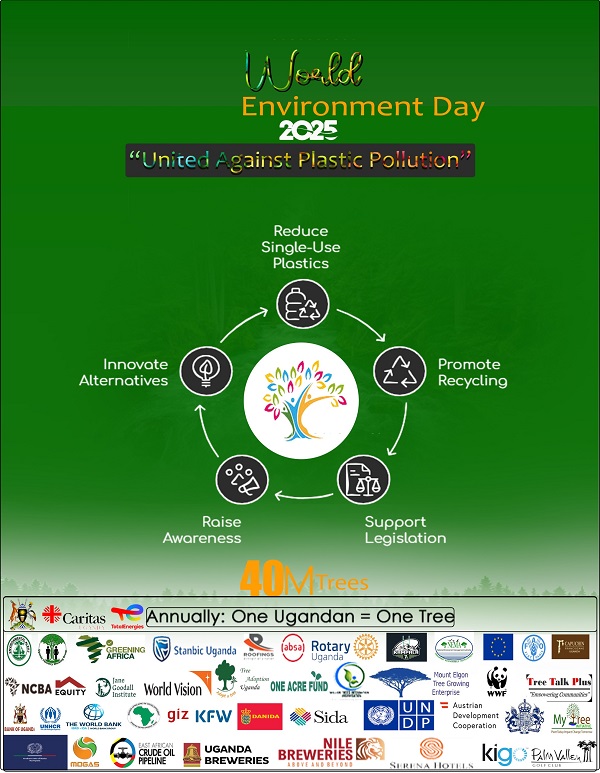
Happy Martyrs’ Day
Running out of trees(ROOTS)