
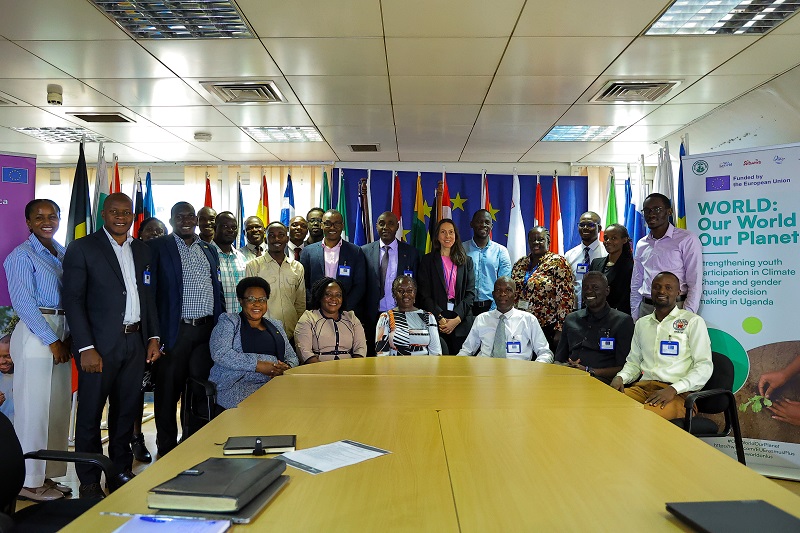
Erasmus+ Information Session
Erasmus+ Information Session Sparks Hope for Uganda’s Youth to Benefit from EU’s 110 Trillion Support.
In an information session held today at the European Union Delegation, located at Stanbic Tower in Kampala, different stakeholders, including youths and development partners, gathered to explore the newly unveiled opportunities for youths under the Erasmus+ programme.
It should be noted that Erasmus+ has a budget of over 100 trillion and is the flagship programme of the European Union, designed to support education, training, and capacity-building initiatives. The programme promotes international collaboration and skills development across higher education, vocational education and training, school education, including early childhood education and care, adult learning, as well as youth and sport, while advancing virtual exchange opportunities for young people and youth-led organisations.
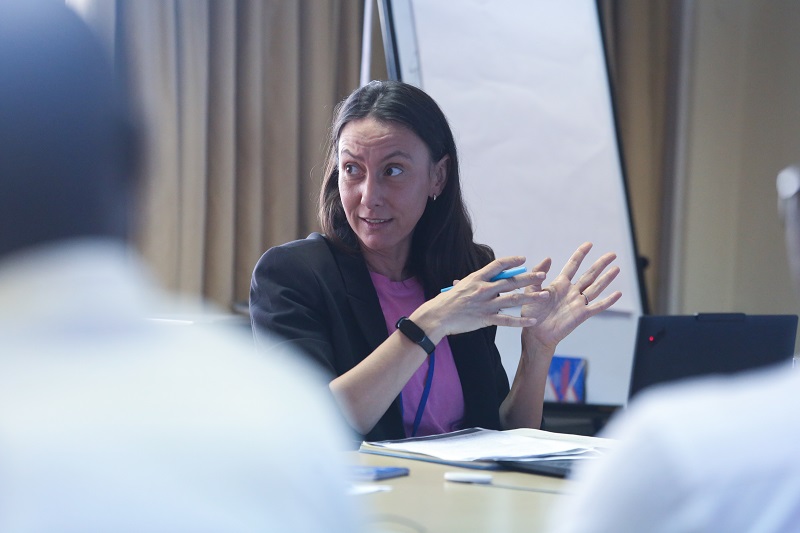
“This morning, we have organised a session between the EU delegation and the Ministry of Education and Sports to share some information regarding some components of the Erasmus+ programmes. The Erasmus+ programme has many many different subcomponets including the Erasmus Mundus Joint Masters, Erasmus+ Capacity building in the higher education but today we focused on two specific streams of Erasmus and that is capacity building in the field of youths and virtual exchange,” said Juliette Rubenstein, the Programme Manager responsible for Erasmus+ Education and Higher Education at the Delegation of the European Union to Uganda.
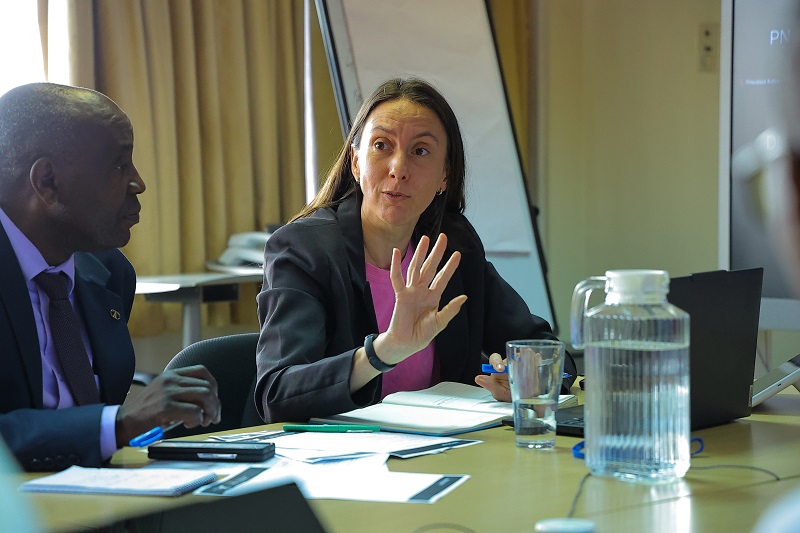
Juliette explained that the session placed strong emphasis on eligibility criteria and application procedures to tap into the EU fund, providing practical guidance to the participants. She further noted that representatives from four Ugandan organisations that have previously benefited from the programme delivered presentations, sharing real-life experiences of their participation, the impact of their projects, and the tangible results achieved within the framework of the programme.
Since 1987, the Erasmus+ Programme has grown into one of the European Union’s most influential global cooperation tools, supporting education, training, youth, and sport. Over the years, it has increasingly strengthened collaboration between Europe and partner countries, including Uganda and other nations in the Global South.
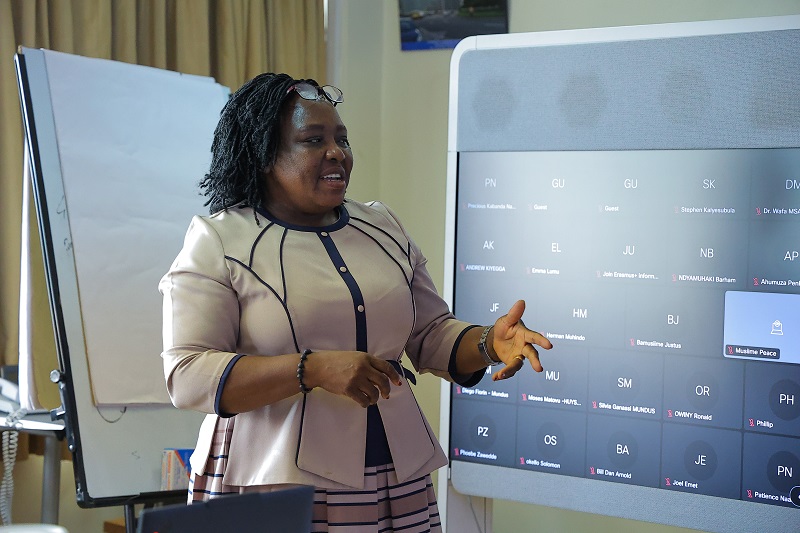
“Environmental Alert (EA) discovered Erasmus+ opportunities via an existing partnership with an International NGO (INGO) called Sudwind in Austria that focuses on climate action and youth empowerment. Hereafter, a partnership between EA, We World, and Sudwind was developed through shared climate advocacy and youth engagement goals that made the three agencies connect to other partners in the East African region,” said Jacinta Nekesa Nangabo, the Executive Director at Environmental Alert Uganda.
According to Jacinta, she highlighted that one of the European funded project that is ongoing is titled “World: Our World; Our Planet,” commenced on 1st July 2023 and will run until 31st June 2026. She explained that the project seeks to promote intercultural dialogue between young people in the Global North and the Global South through online, people-to-people interactions.
She further noted that the initiative has enabled Environmental Alert (EA) to strengthen and support the active participation of youth in advocating for more effective and coherent climate change solutions at national, European Union, and international levels.
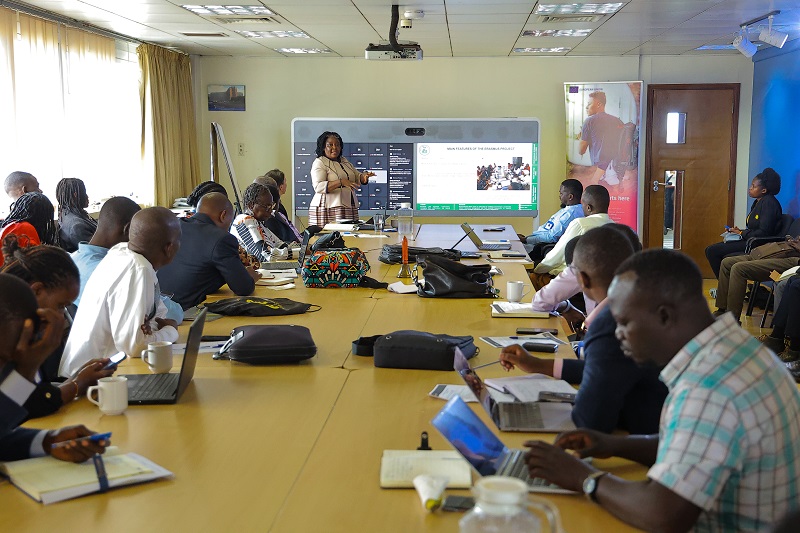
Jacinta concluded, expressing her experience with the Erasmus+ information session, saying, “It opened up possibilities for partnership and collaboration with many more young people as well as youth organisations. It was an opportunity for information sharing, learning, knowledge exchange, and networking.”
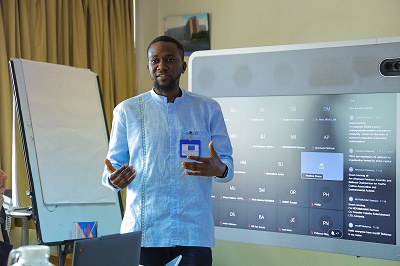
Accessing funding under the Erasmus+ Programme requires more than interest; it demands preparation, strategy, and a clear understanding of the programme framework.
“We have had an opportunity to implement a project that has been funded by the Erasmus+ and coming to this information session it has reminded us of the many opportunities available that young people can take up, so conversations like this provide opportunities where we can mobilize the resources to invest in the work that we are doing so that we can empower more young people,” said Emmanuel Kalule Ssekitto, founder and CEO of FacesUp. According to Emmanuel, they are running the “I Can” project, which focuses on empowering young people to embrace a proactive and solution-oriented mindset.
He explained that the project, which is being implemented across six countries, encourages youth to shift from a culture of dependency to one of action and innovation. Through the initiative, young people in diverse communities are guided to critically identify the challenges affecting them and take deliberate steps to design practical, locally driven solutions without waiting for external intervention, but instead believe in their own capacity to initiate change, influence development, and transform their communities from within.
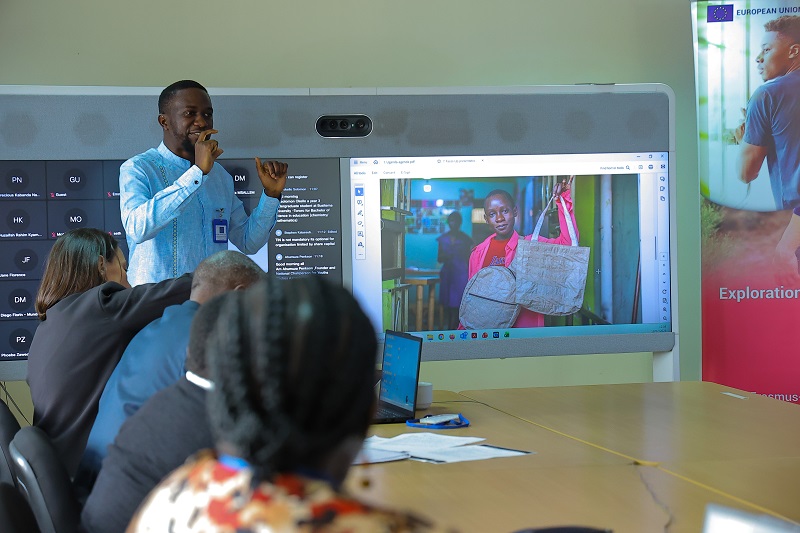
“Today, we are seeing young people coming up with projects that are addressing climate-related challenges because climate-related challenges are some of the challenges they face in their communities. We see young people starting projects that are addressing social economical related issues, so it’s from those challenges that they are facing as young people that they come up with ideas that address the challenges.” Emmanuel added.
Still, on the capacity building of the youths, he also noted that in the Erasmus+ information session, he shared about a group of five young people who see single-use plastics as an issue in their community, so they started a project where they recycle sacks into bags. They pick up sacks from the communities and turn them into a treasure that they are selling. So young people like that are not only seeing or complaining about these issues but are actively taking part in addressing them and picking up skills like taking action and translating these challenges into opportunities.
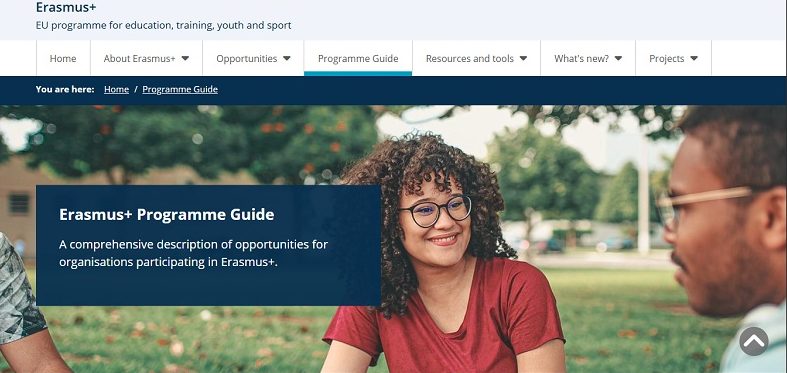
At the heart of every funding process is the Erasmus+ Programme Guide, the official document that outlines the funding priorities, eligible actions, partnership requirements, and conditions for participation.
Each year, typically around November, the European Commission publishes new calls for proposals, detailing the specific funding opportunities available under different actions. Organisations and institutions seeking support must therefore begin preparations early, identifying international partners, aligning project ideas with programme priorities, and ensuring full compliance with the participation and funding conditions set out in the Guide.
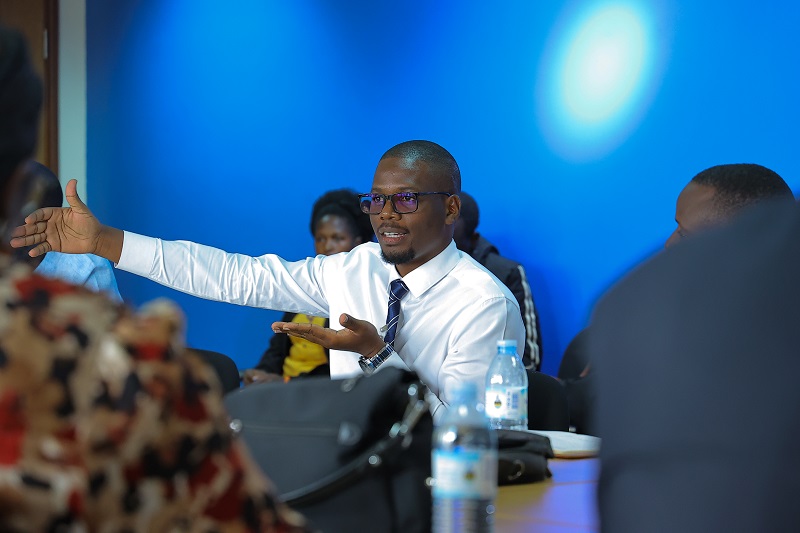
“Education is a fundamental right of children, so we advocate for the education of children in this country, and we work with local structures, government schools, because we want to achieve the concept of sustainability,” said Isabirye Enock, Project Coordinator at Huys Link Community Initiative.
Enock described the Erasmus+ information session as highly beneficial, particularly for organizations operating in the climate change space, the education system, those working with youths, and those seeking access to European Union funding opportunities.
He noted that the experiences and testimonies shared during the session were impactful, as they inspired renewed confidence among participants who had previously believed that such funding was reserved for large or well-established entities. However, the session clarified that even small organizations can successfully apply for grants, provided they partner with a lead consortium based in Europe, opening doors for more inclusive participation and collaboration.
“It is easy to get this EU fund because you are not the lead applicant so you do not do alot of work, all you need is to provide information and also point to the interest of the lead applicant and the call itself, however it also depends on who the lead applicant is, if they have high chances of getting projects from EU well it will be very easy but if they have hard time then it will also be hard to get the funding,” Enock added.